


August 26, 2026

Boston blends centuries of history with a fast moving modern economy, and that combination can feel like a lot to take in when you are the one packing the boxes. By the time you finish reading, you will have a clearer picture of what moving to Boston actually involves and how to prepare for it. Trico Long Distance Movers put this Boston relocation guide together to help you settle in with fewer surprises along the way.


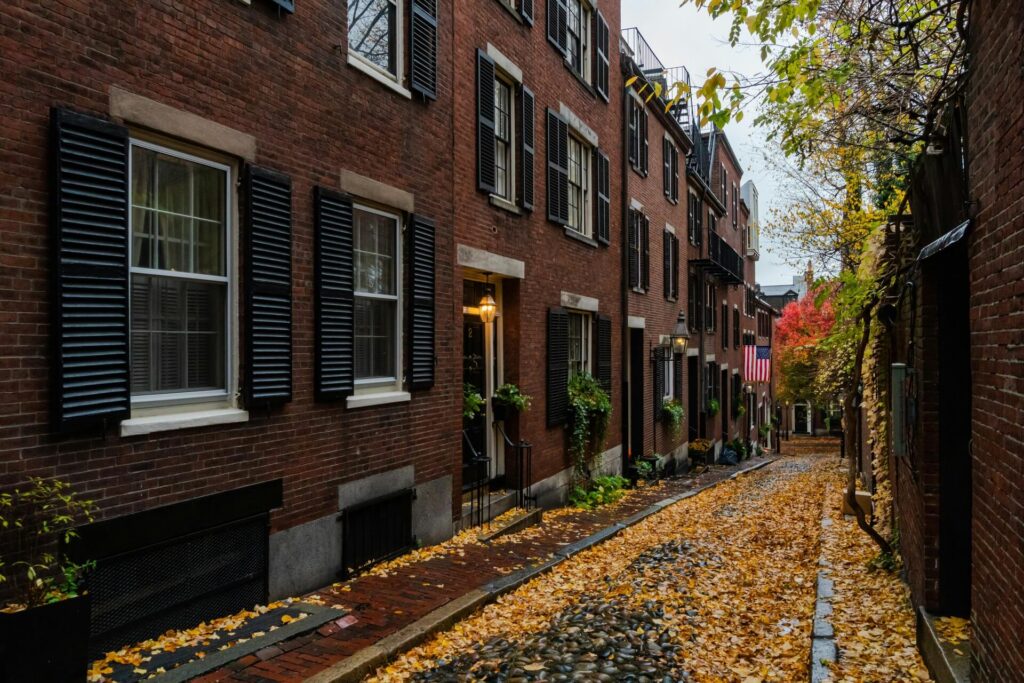
Boston is really a collection of small, tight-knit neighborhoods rather than one uniform city, and each one carries its own architectural style and community feel. Unlike newer American cities built on a grid, Boston grew out of seventeenth-century cow paths and old shorelines, so its streets curve, narrow, and change names without warning. A wrong turn can easily land you on a cobblestone lane that was never meant for anything wider than a horse-drawn carriage.
The local culture leans into intelligence, efficiency, and a strong sense of tradition. Walk from the brick row houses of Beacon Hill to the glass towers of the Seaport District and you will see how comfortably old New England charm sits next to new energy and ambition. Getting a feel for that balance early will make your first few months in the city much easier.
Where you are moving from shapes how big of an adjustment this relocation will be. A cross-country move brings logistical challenges that a local move simply does not, and it helps to know what is coming based on your starting point.
Relocation tip: driving a rental truck across the country and into Boston’s narrow historic streets yourself is a stressful way to end a long trip. Working with experienced long-distance movers who already know the routes takes that particular headache off your plate.
Driving in Boston takes some getting used to, and plenty of longtime residents will tell you it never fully stops being an adventure. The street layout skips the grid system entirely, one-way streets pop up with little warning, signage can be sparse, and local drivers tend to be quick and decisive behind the wheel.
If you plan to live near the urban core, owning a car can end up costing you more trouble than it is worth. Street parking usually requires a residential permit that takes time to obtain, and if your building does not include a dedicated spot, a monthly garage space can run $250 to $500 or more. Plenty of residents get by comfortably without a car at all.
Storrow Drive runs alongside the Charles River and offers some genuinely beautiful views, but it also has unusually low stone overpasses. Every year, especially during the busy late summer moving season, drivers unfamiliar with the road end up scraping the roofs off rental trucks that were never meant to be on that route. It is one more reason to trust the move to a company that already knows which roads to avoid.
Boston’s public transit system, known locally as the T, is one of the oldest and most extensive in the country. It is color-coded and easy to learn once you get the hang of it:
A reloadable CharlieCard gets you onto any of these lines, and the city’s walkability plus its network of Bluebikes stations make getting around during warmer months even easier.
Boston’s identity is closely tied to its universities and hospitals. The metro area holds more than fifty institutions of higher education, including Harvard, MIT, Boston University, Boston College, and Northeastern, and that steady stream of students and researchers gives the city a young, energetic pulse.
Boston is also a global center for medicine and clinical research. The Longwood Medical and Academic Area alone houses Massachusetts General Hospital, Brigham and Women’s Hospital, and Boston Children’s Hospital. This concentration of hospitals and universities supports a stable local economy, but it also shapes the rental calendar in a very specific way. A huge share of leases across the city begin on September 1st, which turns late summer into one of the busiest and most chaotic stretches of the year for movers and renters alike.
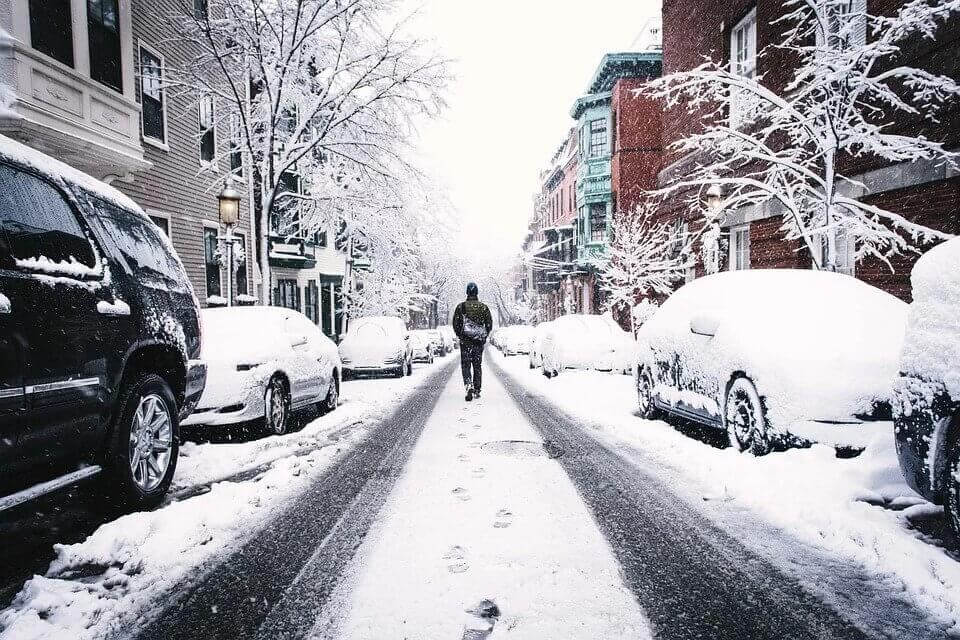
Moving to New England means accepting real winter weather. Fall brings gorgeous foliage, but winter arrives with freezing temperatures, sharp coastal winds, and heavy snow from the Nor’easters the region is known for.
A little preparation goes a long way. Good waterproof boots, thermal layers, and a proper winter coat are worth buying before the first storm hits. If you own a car, pay attention to snow emergency parking bans, since parking on a designated snow route during one can get your vehicle towed. You will also notice the local tradition of “space savers,” where residents mark a shoveled parking spot with a chair or an old bin while they are out. It looks unusual at first, but respecting it is part of settling into the neighborhood.
Because so many leases turn over on the same date, the neighborhood of Allston becomes the center of a wild, citywide moving event known as Allston Christmas. For about 48 hours, students leave furniture, mattresses, and household goods on the curb for anyone to take. Streets fill with moving trucks, traffic slows to a crawl, and the whole neighborhood turns into one big move-in day. If your own move happens to fall during this window, booking your moving company well in advance is not optional, it is essential.
Boston consistently ranks among the more expensive cities to live in, driven mostly by high demand for a limited amount of housing. Finding the right fit means weighing your commute, budget, and lifestyle. Here are some of the best neighborhoods in Boston for newcomers:
Whether you are renting or buying, moving fast matters here. Most rentals ask for first and last month’s rent, a security deposit, and often a broker fee equal to a full month’s rent, so budgeting ahead makes a real difference. This is where good cross-country moving services earn their keep, timing your delivery to match your lease start date so nothing gets left to chance.
Housing costs are high, but Boston’s job market backs that up with strong, stable opportunities across a few key industries:
Everyday costs like groceries, dining, and utilities run a bit above the national average, and heating an older home through a New England winter can add a noticeable amount to your monthly budget. Factoring that into your overall cost of living in Boston before you move will save you from a few unpleasant surprises.
Life in Boston tends to be more active and more walkable than in most parts of the country. Many residents jog along the Charles River Esplanade or spend weekends in the Emerald Necklace, the connected chain of parks designed by Frederick Law Olmsted.
Sports also matter here in a way that goes beyond casual interest. Cheering on the Red Sox at Fenway Park, catching the Celtics or Bruins at TD Garden, or heading to Foxborough for the Patriots is practically a local rite of passage. Add in a food scene that ranges from old-school Italian bakeries in the North End to fresh seafood and lobster rolls along the coast, and it becomes clear why so many people fall for this city despite the winters.

Relocating to a historic city like Boston takes more than a standard moving truck and good intentions. It calls for a team that understands interstate logistics and the specific challenges New England’s streets present.
Some moving companies pass your belongings between multiple third-party carriers along the route, which raises the odds of damage or delay. Trico Long Distance Movers loads your items once and drives them directly from your old home to your new one, with no unnecessary handoffs in between.
Boston’s brownstones and triple-deckers are beautiful, but their narrow entryways, steep staircases, and tight hallways were not designed with modern furniture in mind. Our team handles custom crating for artwork, careful disassembly and reassembly of larger pieces, and protective measures that keep both your belongings and your new home in good shape.

If you want to keep your car for weekend trips around New England without driving it across the country yourself, our car shipping to Boston service handles the transport safely and on schedule, so your vehicle is waiting for you when you arrive.
Handing your belongings over for a cross-country trip can be nerve-wracking. Real-time tracking lets you check on your shipment’s progress the entire way, so you always know where things stand.
We help people move to Boston from all over the country, and a few routes come up again and again:
Wherever your move starts, our team applies the same careful planning to get you there on time and within budget.
Boston’s history, energy, and opportunity make it worth the adjustment, and the right moving partner makes that adjustment far easier to handle. Trico Long Distance Movers brings the experience, the local knowledge, and the careful planning needed to get your belongings to your new home safely and on schedule.
Late spring and early fall generally offer the most pleasant moving weather. If possible, try to avoid the crush around August 31st and September 1st, when most leases turn over. If your move has to fall during that window, book your movers as far in advance as you can.
Usually not without a permit. Boston requires specific street permits to legally reserve parking for moving vehicles, and our coordinators handle that process for you, using smaller shuttle vehicles when needed in tight spots like the North End or Beacon Hill.
If you plan to live downtown, in Back Bay, or in Beacon Hill, public transit covers most of what you need and a car may not be necessary. If you are heading to the suburbs or want easy access to Cape Cod and New Hampshire, a car is genuinely useful, and we can ship it for you.
Professional packing relies on commercial-grade materials, careful structural wrapping, and custom crating for delicate or valuable items, all aimed at preventing shifting and damage over thousands of miles of highway driving.
A direct move keeps your belongings on one truck for the entire trip. Standard freight often moves items through multiple distribution centers, which adds handling steps and raises the chance of something going wrong.