



July 26, 2026

Picture this for a moment. You have just pulled into the driveway of your brand-new home after three solid days on the road, your back aches, your eyes burn, and all you want in the world is a hot shower and a soft pillow, but your toothbrush, pajamas, phone charger, and bath towels are buried somewhere inside a mountain of 150 nearly identical, tightly taped cardboard boxes stacked in your living room.


If that sounds like a moving-day horror story, that’s because it is one, and the worst part is that it’s almost entirely avoidable. The fix is something professional movers have quietly recommended for years: The Box Zero Method, one simple, smartly packed first-night essentials box that saves your first night and sets the tone for the rest of your move. Let’s break down what goes inside, why it matters, and how to walk into your new home feeling prepared instead of panicked.
Box Zero is the very first box you open in your new home. Think of it as a survival kit for the first 24 to 48 hours after the truck pulls away. Instead of clawing through stacks of sealed boxes hunting for a single roll of toilet paper, everything you need to feel human again is right there, ready to go.
It’s the moving-day equivalent of a carry-on bag for a long flight. The rest of the cargo can wait until tomorrow. What’s in your hand right now is the stuff that gets you through the night.
Whether you’re heading two states over or making a true cross-country leap, mastering Box Zero is the foundation of a smooth, low-stress move. So let’s get into the details.
Before you start filling it, a quick tip from the pros: use a clear plastic bin instead of a brown cardboard box. When everything else looks the same, you want this one to stand out instantly. A clear bin saves you from circling the living room three times trying to remember which box you wrote “OPEN FIRST” on.
The goal is balance. Pack light enough that the bin fits in your own car or the cab of the moving truck, but thorough enough that you won’t need to crack open another box until the sun comes up.
Here’s what should go inside.
After a long day of lifting, driving, and sweating, a hot shower isn’t a luxury. It’s a reset button. Don’t make yourself hunt for the soap.
Tomorrow is going to be a long day. A real night of sleep makes the difference between a rough morning and a productive one.
Moving day always throws at least one curveball. A wobbly shelf, a tight screw, a burnt-out lightbulb. Be ready.
You’re not cooking on the first night. But you’re going to be starving.
This is the section most generic moving checklists completely miss, and it’s the one that quietly makes or breaks your first night. Kids and pets don’t understand boxes, trucks, or new ZIP codes. They understand familiar smells, familiar toys, and familiar routines. Pack those, and the whole house calms down.
A child who has their bear and a pet who has their bed will settle into the new place far faster than the parent unpacking around them. That’s worth the extra five minutes of packing every single time.
Here’s the honest truth about long-distance moving: even with the smartest Box Zero in the world, the rest of the move is still a serious undertaking. Loading a truck so a glass lamp survives a thousand miles of highway. Keeping inventory of every item. Driving safely across multiple states. Unloading at the other end without scratching a single doorframe. That’s a different job, and it deserves a different team.
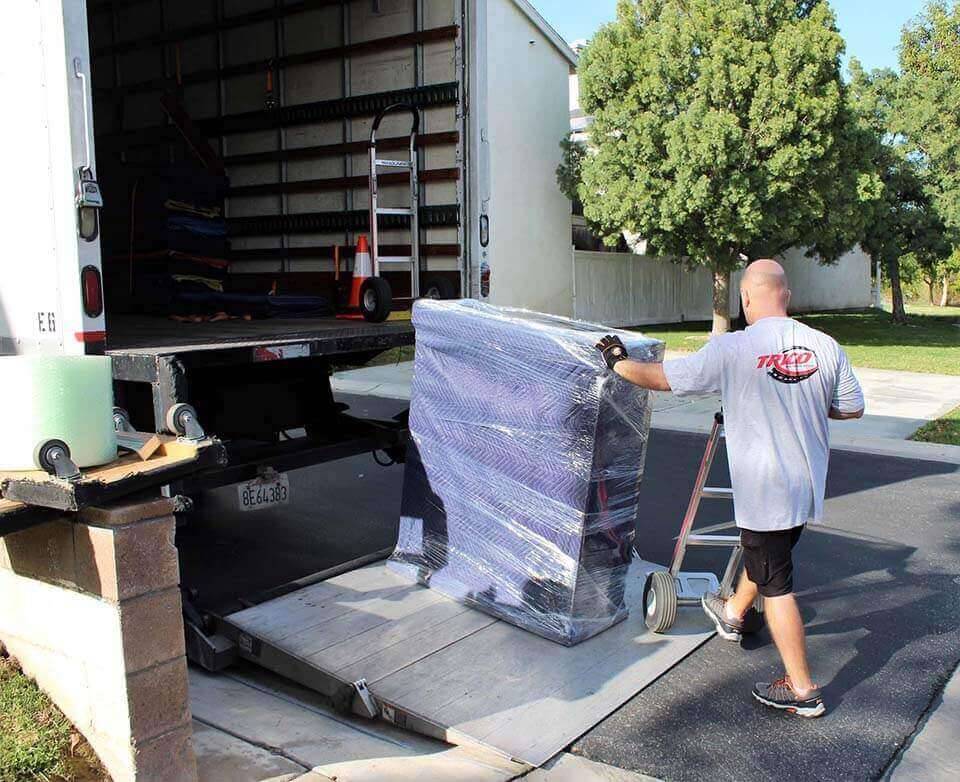
That’s exactly the split we suggest at Trico Long Distance Movers. You pack the box that gets you through your first night. We handle the other 150.
Since 2010, we’ve been helping families cross the country with a flat-price guarantee, barcoded inventory tracking, and full licensing through US DOT 2552260 | MC-889368. No surprise fees, no missing boxes, no panicked phone calls at midnight wondering where your couch is. You focus on your toothbrush, your kid’s stuffed bear, and your dog’s favorite blanket. We focus on everything else.
If you want to know what that actually looks like for your move, a personalized quote takes just a few minutes.
The Box Zero method covers the first 48 hours. Professional packing services cover everything else.
This is one of the most useful add-ons in the long-distance moving industry, and the reason is simple: a trained team shows up with all the materials, carefully wraps your fragile pieces, properly secures your electronics, and inventories every single item before it goes in the truck. What used to be a month of stressful evenings and aching backs becomes a single coordinated day.
It pairs perfectly with Box Zero. You handle the survival kit. The pros handle everything else. By the time the truck rolls out of your driveway, you can actually relax for the trip ahead instead of panicking about whether the dishes were wrapped properly.
A few small habits make Box Zero even more effective. Try these as you pack:
Moving across the country is one of the biggest projects most people ever take on. But with a smart Box Zero packed by your side, the right comfort items for the kids and pets, and a trusted long-distance moving team handling the rest, the first night doesn’t have to feel like chaos. Start with the bin. End with the keys to your new home. Everything in between is just details, and Trico is here to handle them with you.
Box Zero is a packing strategy where you load one clearly marked box (ideally a clear plastic bin) with everything you need to survive the first 24 to 48 hours in your new home. Toiletries, pajamas, basic tools, phone chargers, snacks, comfort items for kids and pets, the works. It saves you from tearing through dozens of taped boxes on an already exhausting first night.
Skip heavy or bulk items like pantry goods, decorative pieces, and large electronics. Avoid hazardous materials like bleach and strong cleaning chemicals, especially if the bin is riding in the car with your family or pets. Keep Box Zero strictly for immediate comfort, hygiene, and survival. Anything you can wait until tomorrow to find belongs in a regular moving box.
Yes, and this is one of the smartest things you can do. Cash, jewelry, passports, birth certificates, social security cards, lease or closing paperwork, prescription medications, laptops, and external hard drives should all travel with you in person, ideally inside or alongside Box Zero. Anything irreplaceable or sensitive should never ride in the moving truck. Pack these items in a small lockable pouch or folder, keep them in your car, and you’ll have peace of mind from the first mile to the last.
Pack it a day or two before the movers arrive, not weeks in advance. You want it to include the toothbrush you brushed with that morning and the charger you actually use, not a backup version that’s been sitting in a box. Treat Box Zero like packing a suitcase for a trip: the night before is the sweet spot.
Always in your car if at all possible. Box Zero only works if you can get to it the second you walk in the door. Moving trucks sometimes arrive hours, or even days, after you do. Your survival kit shouldn’t be sitting in a parking lot somewhere while you’re trying to find your toothbrush at midnight.