


July 26, 2026

Trading sea level for the peaks of the Rocky Mountains is one of the most rewarding moves you can make, and relocating to Denver rewards a little planning with a big payoff in career growth, outdoor access, and everyday quality of life. The city blends real urban energy with true wilderness, though settling in well takes more strategy than tossing boxes into a truck.


Trading sea level for the peaks of the Rocky Mountains is one of the most rewarding moves you can make, and relocating to Denver rewards a little planning with a big payoff in career growth, outdoor access, and everyday quality of life. The city blends real urban energy with true wilderness, though settling in well takes more strategy than tossing boxes into a truck.
Denver earns its “Mile High City” nickname honestly, because the city sits exactly 5,280 feet above sea level. For anyone moving to Denver from out of state, the elevation is usually the first thing you notice and feel.
The air up here is thinner and holds roughly 17% less oxygen than at sea level. Your body has to work harder at ordinary tasks, so a short adjustment phase is completely normal and nothing to worry about. During your first week or two, expect mild fatigue, the occasional headache, and a thirst that sneaks up on you. Give yourself a lighter schedule for those early days, and your body will catch up faster than you expect.
A few simple habits make living at high altitude in Denver far more comfortable from day one:
Here is a small surprise that catches many newcomers off guard: your trusted recipes may need a few tweaks. Lower atmospheric pressure means water boils at a cooler temperature, around 202°F instead of 212°F. Pasta takes a little longer to cook, and baked goods often need adjusted amounts of flour, liquid, and leavening so a cake does not sink in the middle. It is a fun learning curve, and plenty of local cookbooks are written just for high-altitude kitchens.
People cross the country for Colorado for a simple set of reasons: the mountains, the lifestyle, and the sunshine. Understanding what it is like living in Denver really starts with understanding how much of life happens outside.
You will hear that Denver gets 300 days of sun a year. Meteorologists may quibble over what counts as a truly sunny day, but the spirit of it holds. Denver sees more sunny days than Miami or San Diego. That climate makes an active, outdoor life possible in every season. On a mild January afternoon, you might even play a round of golf in a light jacket once the snow clears.
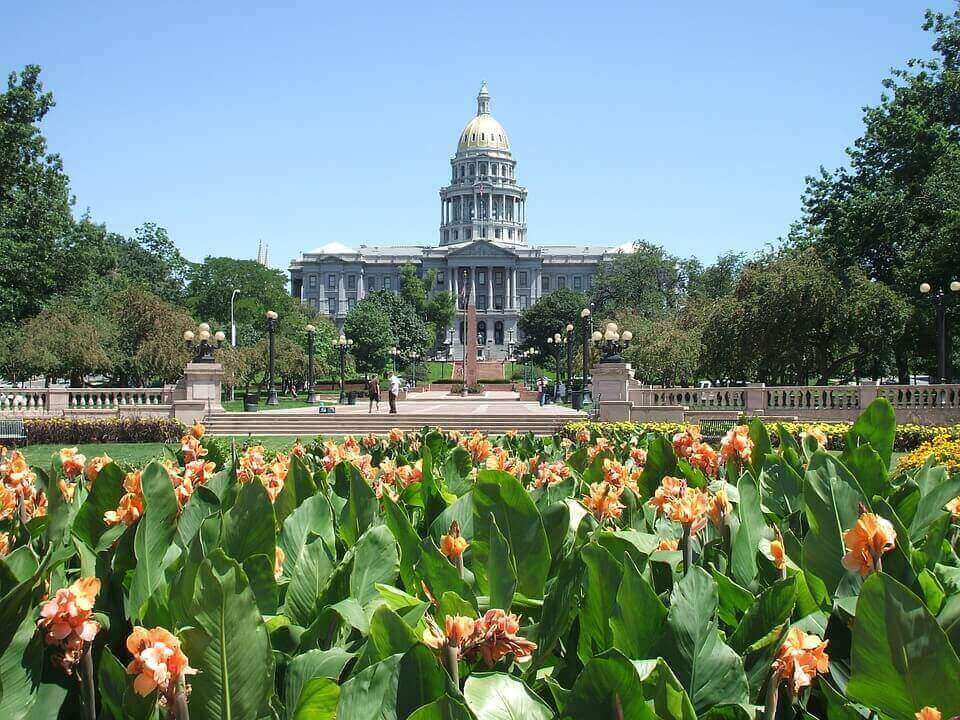
In Denver, the outdoors is less a hobby and more a weekly rhythm. The city is known for its Weekend Warrior culture. By Friday afternoon, driveways fill with SUVs loaded up with mountain bikes, skis, kayaks, and camping gear. A typical Saturday might mean a morning hike or trail run, followed by an afternoon at one of the many local craft breweries. Newcomers often find that this shared love of the outdoors makes it easy to meet people and build a social circle.
If you want to sound like a local from day one, learn how Interstate 70 actually behaves. I-70 is the main route connecting Denver to world-class ski resorts like Vail, Breckenridge, and Aspen.
The access is fantastic, but winter weekend traffic tells a different story. A drive that should take 90 minutes can stretch into a three or four hour crawl. Locals simply plan around it. If you want to ski on a Saturday, you either leave the driveway by 5:30 AM or you wait for a quieter day. A little early planning keeps mountain weekends fun instead of frustrating, and it is one of the first habits new residents pick up.
After the pandemic-era boom, the Denver housing market 2026 has largely settled into a steadier rhythm. Prices remain higher than the national average, so finding the right home takes some research and a realistic budget. The good news is that a calmer market gives buyers a bit more breathing room than they had a few years ago.
Denver neighborhoods vary widely in character, and the market stays competitive in the most popular areas. Because of that, many people arriving from out of state choose to rent for the first 6 to 12 months. This “try before you buy” approach gives you time to learn your commute, feel out different areas, and settle on the neighborhood that truly fits your life before committing to a mortgage. It also takes the pressure off during those first busy weeks in a new city.
Here is a quick look at some of the best neighborhoods in Denver for newcomers:
| Neighborhood | Vibe and Lifestyle | Best Suited For |
|---|---|---|
| LoDo (Lower Downtown) | Historic, trendy, and very walkable, with plenty of energy after dark. | Young professionals, nightlife lovers, and urbanites. |
| The Highlands | Independent boutiques, a standout food scene, and real character. | Millennials, young families, and creatives. |
| Cherry Creek | Upscale and quiet, with high-end shopping close by. | Established professionals and luxury buyers. |
| Washington Park | Wide green spaces, tree-lined streets, and a cozy, active feel. | Families, dog owners, and outdoor lovers. |
Every neighborhood here has its own personality, so it pays to spend a weekend walking each one before you decide. What looks great on paper can feel very different once you are standing on the sidewalk with a coffee in hand.

A useful relocation cost guide for Denver goes well beyond the price of a house.
The job market is a major draw. Denver’s economy in 2026 is strong, and the city has grown into a hub for technology, aerospace, renewable energy, and telecommunications. Major employers keep expanding around the Denver Tech Center (DTC) and downtown, so career opportunities stay plentiful across a wide range of fields.
Everyday spending runs a little higher than the national average. Property taxes in Colorado are pleasantly low compared to states like Texas or Illinois, which softens the blow, but groceries, dining out, and entertainment tend to cost more than you might expect.
One expense catches almost everyone by surprise: vehicle registration. Colorado calculates fees based on your car’s weight, age, and taxable value. Newer vehicles can run several hundred dollars, and sometimes more than a thousand, to register for the first time. Setting that money aside before you arrive keeps the first month from feeling tight.

Moving across the country is a big project on its own. Relocating to Colorado adds a few wrinkles that reward experienced handling, which is why so many people lean on professional long distance movers in Denver, CO rather than going it alone.
Denver weather keeps you guessing. A sunny 75°F Tuesday can give way to a heavy snowstorm on Wednesday, even in May. That unpredictability means your moving crew and trucks need to be ready for any conditions on delivery day. An experienced team plans routes and timing with the forecast in mind, so a surprise storm does not derail your whole schedule.
This is where the elevation really matters. When you first arrive, your body has not adjusted to the thin air yet. Carrying a solid-wood dresser up a flight of stairs while you are already short of breath is draining, and it can genuinely strain your health. This is a common reason DIY moves to Colorado end in sore backs and second thoughts. Save your energy and your breath for exploring your new city instead of wrestling boxes on a snowy driveway.

Trading sea level for the Rockies is an exciting step. Driving a heavy, unfamiliar rental truck halfway across the country is not the fun part of it. At Trico Long Distance Movers, we focus on cross-country moves to Colorado, and we understand the specific challenges of a high-altitude, fast-changing climate. We think of ourselves as your relocation partners rather than just a transport service.
Here is how we help make the day go smoothly:
There is no reason to risk injury or burnout doing heavy lifting before your body has adjusted to the elevation. Let a team that is already acclimatized and well prepared handle your furniture and electronics, so you can spend your first days settling in and enjoying the views.
When you are ready, reach out for a free, no-obligation quote that covers both your household move and your auto transport. Trico Long Distance Movers will take care of the heavy lifting while you save your energy for the mountains ahead.
Denver rewards the people who show up ready for it. The thin air, the fast-changing weather, and a housing market that still asks for a real budget are all part of the deal, but so are 300 days of sun, world-class trails, and a job market that keeps growing. Take the altitude slowly, rent before you buy if you are unsure, and give yourself room to fall in love with the city at your own pace.
The move itself is the one part worth handing to professionals. Let Trico Long Distance Movers manage the packing, the long haul, and your auto transport, so you can arrive with your energy intact and your sights set on the mountains. When you are ready, reach out for a free quote and start your Rocky Mountain chapter on the right foot.
Most people find the sharpest symptoms, like headaches and shortness of breath, ease within 3 to 5 days. Full acclimatization, where you can hike or run at your usual sea-level pace, can take a few weeks to a few months. Staying well hydrated and taking it slow early on helps the process along.
If you plan to stay mostly within the city, a front-wheel-drive car with good snow tires usually does the job, since Denver clears its main roads quickly. If you plan to drive I-70 for ski trips in winter, though, AWD or 4WD becomes essential, and it is sometimes legally required during heavy storms.
Think layers. Temperatures can swing 40 degrees in a single day, so pack a warm winter coat, light activewear, quality sunglasses, and plenty of lotion and lip balm for the dry air. A full-service team like Trico Long Distance Movers keeps your seasonal gear organized and ready the moment it arrives.
For anyone who values career growth, outdoor recreation, and beautiful scenery, the answer is a confident yes. The cost of living sits above the Midwest or South, but the access to nature, the strong job market, and the overall quality of life make Denver well worth it.